Ragdoll vs Persian: Temperament, Grooming and Home Life Compared
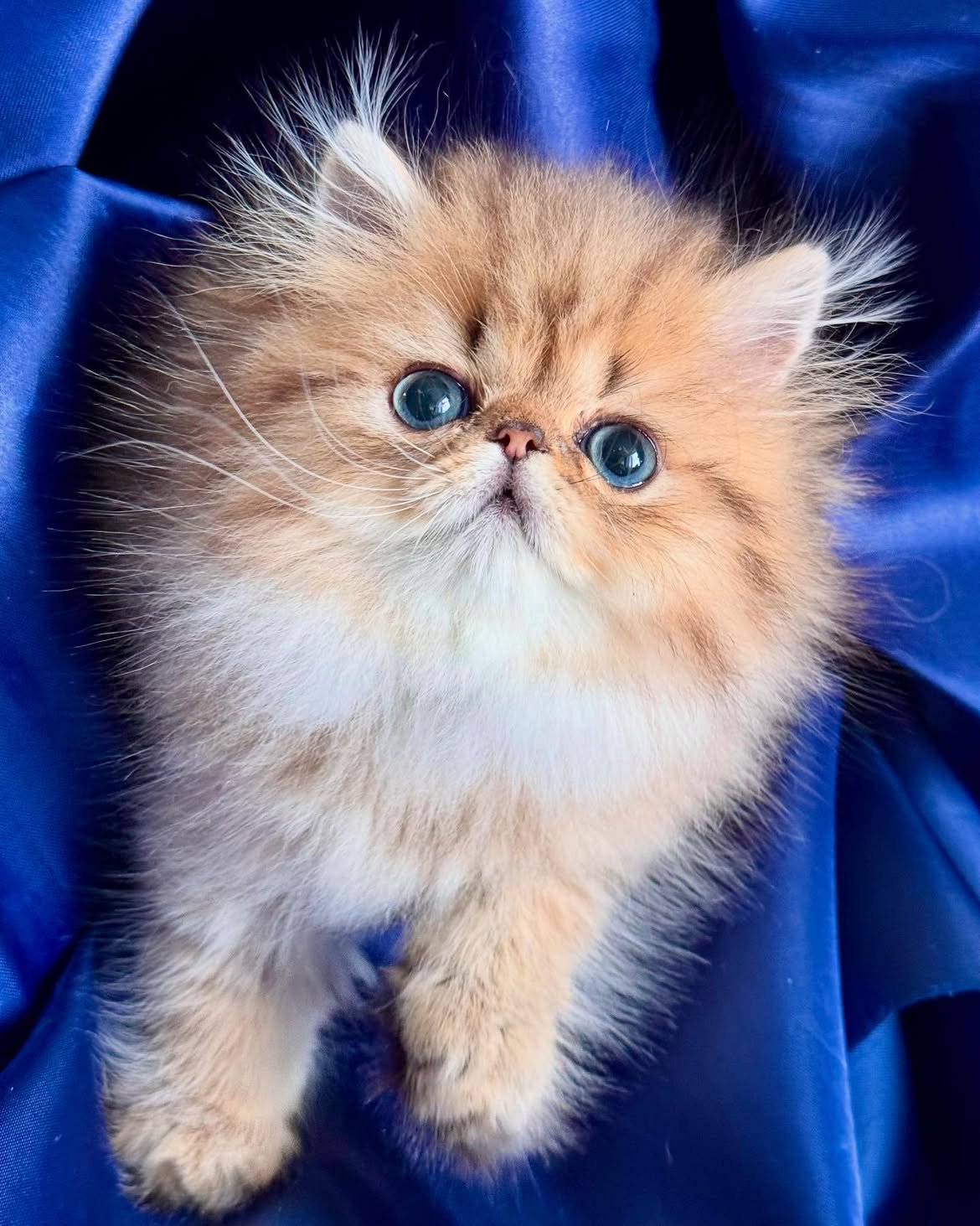
Table of Contents (8)
Both the Ragdoll and the Persian are famous for the same thing: a calm, beautiful cat that is happy indoors and loves human company. Spend a week living with each, though, and the differences are hard to miss. One is a large, social cat that follows you from room to room and flops into your arms; the other is a quiet, dignified companion that prefers a peaceful corner and affection on its own terms. This comparison covers appearance, temperament, energy, grooming, health screening and daily care — the things that actually decide whether a breed fits your home — without declaring a winner, because the right answer depends on your household and how much grooming time you honestly have.
Size and build
The Ragdoll is one of the largest domestic breeds. Males commonly weigh around 6–9 kg, females somewhat less, and the breed matures slowly, often not reaching full size until three or four years of age. Ragdolls are semi-longhaired, with a soft, silky coat, a sturdy body and striking blue eyes. Their colourpoint pattern — a paler body with darker ears, face, paws and tail — is one of the breed's most recognisable features.
The Persian is a medium-to-large cat with a cobby, low-slung body, short legs, a broad chest and a large round head. The breed standard used by registries including the CFA, TICA, GCCF and FIFe describes a cat with a short, flat face, a short nose, large round eyes and small ears set low on the head. The coat is long, thick and flowing, and it comes in a very wide range of colours and patterns. Adult Persians commonly weigh around 3–5.5 kg, with males usually heavier than females.
In short, the Ragdoll is the bigger, softer-coated cat with a famously relaxed nature; the Persian is the smaller, round-faced cat with a far more demanding coat.
Temperament: the social shadow and the quiet dignitary
The Ragdoll is one of the most people-oriented breeds in the pedigree world. Ragdolls are famously social, affectionate and dog-like in their attachment: they follow their owners from room to room, greet them at the door, and settle on laps and beside people whenever they can. They are generally tolerant and patient, which is why they are so often recommended for families with children and for homes with other pets.
The Persian is gentle in a different, quieter way. The CFA describes the breed as sweet, quiet and affectionate, and TICA describes Persians as calm cats that enjoy a serene environment and a regular routine. A Persian typically chooses a favourite spot — a lap, a sunny windowsill or a soft bed — and stays there, content to watch the household go by. Persians bond strongly with their people, but they ask for attention softly, with a look and a slow blink rather than a demand. They are happiest in a calm, predictable home, and they suit adults and older households especially well.
Individual cats vary, of course: temperament is a range, not a promise, and upbringing matters as much as breed. But the broad pattern holds: the Ragdoll wants to be with you, all the time; the Persian wants to be near you, on its own terms, in a quiet house.
Which is more affectionate?
Both breeds are affectionate, but they show it differently. The Ragdoll is the more openly demonstrative of the two: it seeks out people, leans into handling, and often wants to be involved in whatever the household is doing. If you want a cat that behaves like a companion — present, engaged, and visibly pleased to see you — the Ragdoll is usually the stronger match.
The Persian is affectionate too, but in a quieter register. It will sit with you for hours, sleep beside you, and ask for gentle attention — but it is less likely to follow you around the house or demand interaction. If you want warmth without constant company, the Persian's style may suit you better. Neither breed is aloof; they simply express attachment at different volumes.
Energy and enrichment
Neither breed is hyperactive, and both are well suited to indoor living — but their play styles differ.
The Ragdoll is low to moderately active: playful in bursts, then happy to settle. It enjoys interactive play — a feather wand, a crinkle toy, a short game of fetch, which some Ragdolls genuinely learn — and it appreciates company more than it appreciates climbing structures. Because Ragdolls are so people-focused, they can become bored or lonely if left alone for very long stretches, so a household where someone is usually around suits them best.
The Persian is very low energy. Short, gentle play sessions are usually enough, and the breed is famously content to spend long hours resting. Persians are not great jumpers and prefer ground-level comfort: a warm bed, a low perch and a sunny spot matter more than a tall cat tree. Their trusting, home-centred natures make both breeds poor candidates for free roaming, and a Persian's long coat picks up dirt and tangles quickly outdoors.
Grooming: the headline difference
This is where the choice is usually made. The Ragdoll's semi-long, silky coat has little or no dense undercoat, so it mats far less than many long-coated breeds. Brushing once or twice a week is usually enough to keep it in good condition, with a little more attention during seasonal shedding.
The Persian's long, dense coat is a different commitment entirely: it needs daily brushing — a thorough brush or comb every day to prevent mats and tangles — plus regular attention to the eyes, which tend to water, and to the area around the face. The CFA advises that the coat should be combed daily, and many Persian owners also bathe their cat regularly to keep the coat clean and manageable. A Persian that is not groomed daily will mat, and matted fur is painful and can lead to skin problems. Flat-faced Persian lines also need daily wiping around the eyes for tear staining, and they can be sensitive to heat, so a cool, shaded home matters in warm weather.
So the practical question is simple: do you want grooming to be a weekly job you barely notice, or a daily ritual you enjoy? Answer that honestly and the breed choice mostly makes itself. Skip a Persian if daily brushing sounds like a chore — and skip a Ragdoll if you want a cat that keeps its distance.
Health and screening to ask about
Responsible breeders screen breeding cats for the hereditary conditions relevant to each breed, and the questions to ask differ.
For the Ragdoll, ask about hypertrophic cardiomyopathy (HCM), the most common heart disease in cats, diagnosed by echocardiogram performed by a veterinary cardiologist. HCM has been reported in Ragdoll lines, and echocardiogram screening of breeding cats is a test worth asking a breeder about. Ask to see the actual results for the actual parents.
For the Persian, ask about polycystic kidney disease (PKD) — a hereditary condition in which cysts develop in the kidneys, and one for which a reliable DNA test exists; responsible breeders test their breeding cats. Ask too about HCM, and about the brachycephalic (flat-faced) issues that affect some Persian lines: breathing difficulties and a tendency to watery eyes, so ask the breeder about the parents' breathing and eye health, and be prepared for daily eye cleaning as part of routine care.
No screening programme makes any cat "risk-free" — it reduces risk and shows the breeder is breeding carefully. Both breeds are generally cited with lifespans in the region of 12–17 years. Always ask to see the actual results for the actual parents (our guide to choosing a responsible breeder lists the questions to ask).
Living with families and other pets
Both breeds are generally good with respectful children and can live with other cats and cat-friendly dogs when introduced properly — but the fit differs.
The Ragdoll's patience and tolerance usually make it the easier fit for a busy family home, including homes with children.
The Persian does best in a calm, predictable household. It is gentle with children who are old enough to be gentle in return, and it usually gets on well with other quiet cats, but a loud, high-energy home can leave a Persian stressed and withdrawn. It is a cat that rewards a household that respects its pace.
Both breeds suit flats and apartments well. The Persian is especially content in limited space, while the Ragdoll needs a little more room simply because it is a larger cat — and because it likes to be wherever you are.
Which one fits you?
- Choose a Ragdoll if you want a large, social, openly affectionate cat that follows you around the house, is tolerant with children and other pets, and you are happy with weekly brushing and a cat that wants your company most of the day.
- Choose a Persian if you want a quiet, gentle lap cat in a calm home, and you genuinely enjoy daily grooming as part of your routine — brushing, eye cleaning and coat care are a daily commitment, not an occasional chore.
Still deciding? Read the full breed guides for the Ragdoll (https://elitecatbreeders.com/ragdoll-kittens/) and Persian (https://elitecatbreeders.com/persiancatsbreedpage/) — and if you are considering a kitten, start with an enquiry and an honest conversation about your household and your grooming routine. The right match matters more than the fastest one.
Planning for Your Kitten or Need Species Advice?
Explore our available kitten profiles or try our Cat Food & Vaccination Planners.
Related Purebred Collections, Guides & Free Care Calculators
View live profiles, lineage & European handover terms
View live profiles, lineage & European handover terms
Reader Questions & Article Discussion
Ask a question about temperament, grooming, home preparation, or share your thoughts with fellow European cat families.