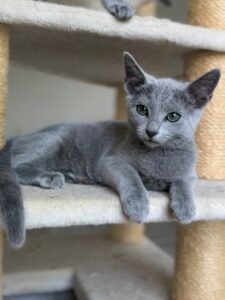

The Persian is one of the oldest and most recognisable cat breeds in the world: a long, flowing coat, a round face, large round eyes and a calm, unhurried nature. It is also one of the most demanding breeds to care for: a Persian’s beauty is the result of daily work, and anyone considering one should understand the routine before committing. This guide covers the coat, the eyes, the daily grooming routine, feeding, health screening and the home a Persian needs, so you can decide honestly whether this breed fits your life.
The breed in brief
The Persian developed from long-haired cats brought to Europe from Persia (modern-day Iran) centuries ago, and has been a pedigree breed since the early days of the cat fancy. It is a medium to large cat with a sturdy, cobby body, short legs, a broad head, a short nose and a long, dense double coat that comes in many colours and patterns. Adult cats commonly weigh 3.5–7 kg.
The Persian’s temperament is its great strength: it is quiet, gentle, calm and affectionate, content to sit beside its people and to spend long stretches resting in a favourite spot. It is not a demanding or noisy cat, and it is usually good with respectful children and with other cats. It is an indoor cat by nature — its long coat, flat face and trusting temperament all make it poorly suited to roaming outdoors. If you want a lively, athletic cat, the Persian is not it; if you want a serene companion, few breeds do it better.
The breed is recognised by all the major registries, including TICA, the CFA, the GCCF and FIFe.
The coat: daily grooming is not optional
The Persian’s coat is the first thing to understand, because it decides how much time the breed needs from you every single day.
The coat is long, dense and fine-textured, with a thick undercoat. Left alone for even a few days, it tangles and mats — and mats are not just untidy, they are painful: they pull on the skin, trap moisture, and can hide skin irritation or infection underneath. A matted Persian often needs professional help to fix, and severe matting may mean the coat has to be clipped short. Daily grooming prevents all of this.
The daily routine is simple but it must be daily: a wide-toothed metal comb, worked gently through the whole coat section by section, from the skin outwards, paying attention to the places that mat first — behind the ears, under the legs and under the tail. A slicker brush can help with loose hair, but the comb is the tool that finds the tangles. The session takes ten to fifteen minutes, and most Persians learn to enjoy it if it is started young and kept calm and gentle. Never pull at a mat: work it apart gently with your fingers or a comb, and ask a groomer or vet for help if a mat is tight against the skin.
Shedding is heaviest in spring and autumn, when the coat needs extra attention. Kittens need grooming from the start, so that the routine is normal by the time the adult coat comes in.
Eyes: cleaning and what to watch
The Persian’s flat face — the short nose and prominent eyes — is part of its look, and it is also the reason the breed needs daily eye care.
Persians tear more than most breeds, because the shape of the face means tears do not drain as efficiently. The result is the familiar tear staining: dampness and a brownish stain under the eyes. This is normal for the breed, but it needs daily attention: wipe the area under each eye gently with a clean, damp cloth or a cotton pad, using a fresh pad for each eye, and dry the fur afterwards so the skin underneath stays healthy. Left damp, the skin can become sore. Some owners use a small amount of a tear-stain product made for cats, but plain warm water and a soft cloth are usually enough.
Watch for changes and mention them to a vet: eyes that are suddenly very watery, red, swollen or cloudy, yellow or green discharge rather than clear, or a cat squinting or pawing at its eyes. Persians are also prone to entropion, where the eyelid rolls inward and the eyelashes rub the eye, and to blocked tear ducts; regular veterinary check-ups catch these early. The flat face also means Persians can be more sensitive to heat and to dusty or smoky air — keep their living space cool, clean and well ventilated, and ask your vet if breathing ever seems laboured.
Bathing and the wider grooming routine
Most Persians benefit from an occasional bath — every few weeks to every couple of months — because the long coat collects grease and dirt that brushing alone does not remove. Use a shampoo made for cats and warm water, rinse thoroughly — shampoo left in a long coat irritates the skin — and dry the cat completely with towels and a low-heat dryer if the cat tolerates it. A damp Persian left to dry on its own will mat. If bathing at home is not working, a professional groomer experienced with Persians is a good option.
The rest of the routine is the same as for any cat, but it matters more with a long coat: trim the claws every couple of weeks, check the ears weekly and clean them gently only as your vet has shown you, and brush the teeth regularly — dental disease is common in cats, and Persians are no exception. Check the skin under the coat as you groom: look for redness, sores or parasites hiding under the fur.
Feeding and weight
Persians are not a particularly active breed, and they can gain weight easily if fed too much. Feed a good-quality complete cat food in measured amounts, follow the feeding guide for the cat’s weight and age, and keep treats small. Fresh water should always be available; some Persians prefer a wide, shallow bowl that does not press on their whiskers, and a water fountain can encourage drinking.
Obesity makes everything harder for a Persian: grooming, joints and breathing. Weigh your cat regularly and ask your vet whether its weight is right — you should be able to feel the ribs easily under a thin layer of fat.
Health and screening to ask about
Responsible breeders screen breeding cats for the hereditary conditions relevant to the breed, and the questions to ask differ by breed.
For the Persian, the most important condition to ask about is polycystic kidney disease (PKD), an inherited condition in which cysts develop in the kidneys. A DNA test exists for PKD, and responsible breeders test their breeding cats. Ask also about hypertrophic cardiomyopathy (HCM), the most common heart disease in cats, diagnosed by echocardiogram performed by a veterinary cardiologist. Ask about the parents’ eye health too, given the breed’s flat face, and about general veterinary care.
No screening programme makes any cat “risk-free” — it reduces risk and shows the breeder is breeding carefully. Always ask to see the actual results for the actual parents (our guide to choosing a responsible breeder lists the questions to ask).
Persians can also be prone to bladder stones and to dental problems, and their flat faces mean they need their teeth checked regularly. A vet who sees the cat at least once a year — more often as it ages — is part of the care routine, not an emergency measure.
The home a Persian needs
A Persian needs a calm, indoor home. It does not need a large house or a garden, and it does not need tall climbing structures — it needs a warm, quiet place to rest, a scratching post, a clean litter tray, regular short play sessions and, above all, a person who will groom it every day.
Because the coat is long and the face is flat, a Persian’s litter tray and bowls need more frequent cleaning than a short-coated cat’s: litter and food cling to long fur, and a dirty tray is a fast route to a cat that stops using it. Keep the litter tray in a quiet, accessible spot and scoop it daily.
Persians are usually good with respectful children and with other cats and cat-friendly dogs, and adapt well to a household with a normal working routine — as long as someone is there to do the daily grooming. A Persian left ungroomed for a week while its owner is away will come back matted; if your routine regularly takes you away for days at a time, this is not the breed for you unless someone will groom the cat in your absence.
Is a Persian right for you?
- Choose a Persian if you want a calm, gentle, beautiful companion, you enjoy a daily grooming ritual, and you are prepared for the eye cleaning, the occasional bath and the regular vet checks that come with a flat-faced, long-coated breed.
- Think again if you want a low-maintenance cat, you travel often, you have no time for daily brushing, or you want an active, outdoor cat.
Still deciding? Read the full breed guide for the Persian — and if you are considering a kitten, start with an enquiry and an honest conversation about your household, your working hours and how much grooming time you can give every single day. The right match matters more than the fastest one. If you have general questions about bringing a kitten home, our kitten FAQ covers the basics.