
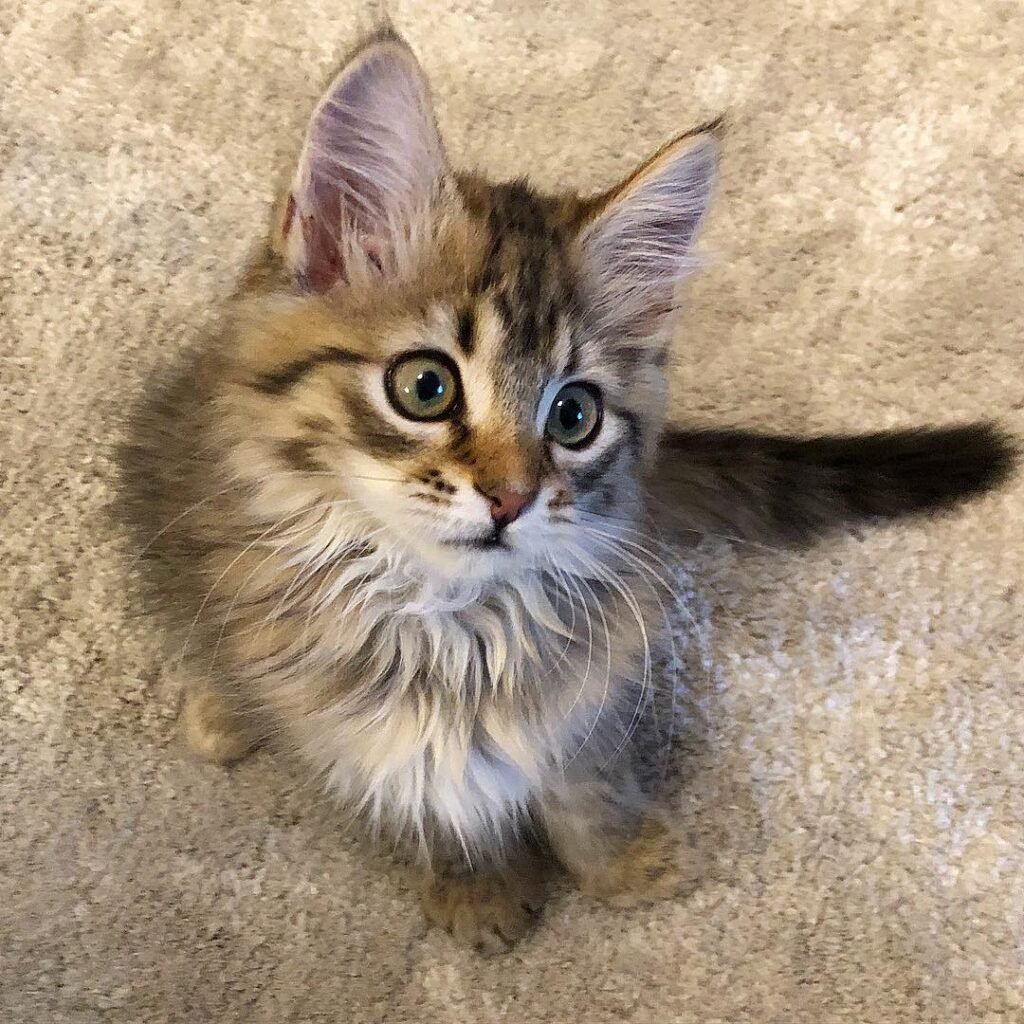
Your kitten has come home, it is eating, playing and using the litter tray, and everything feels done. It is not — the first year has a quiet rhythm of veterinary visits underneath the play, and keeping to it is what turns a healthy kitten into a healthy adult cat. None of it is dramatic. Most of it is short appointments, a few injections, and a conversation with your vet. But the timing matters, and the first visit matters most of all.
This is general guidance, not a substitute for your own veterinarian’s advice, and it is not a description of any breeder’s health programme. Vaccination schedules, parasite treatments and neutering timing vary by country, by vet, and by the individual kitten — your vet will set the exact plan for your kitten. What follows is the shape of a typical first year, so you know what to expect and what to ask.
The first vet visit: within the first few days
Book the first visit for the first few days after your kitten comes home — ideally within the first week, and sooner if the kitten shows any sign of illness. This visit has two jobs: to check that the kitten is healthy, and to establish a relationship with a vet who will know your cat for years.
Bring the kitten’s records with you: whatever health information the breeder or rescue gave you, including vaccination records, deworming dates and any test results. Bring a note of what the kitten is eating, and any questions you have — write them down, because in the consulting room most people forget half of them.
At this first visit, your vet will usually:
- Give the kitten a full physical examination — weight, temperature, eyes, ears, mouth, coat, heart and lungs, and a check for any signs of illness or parasites.
- Check the vaccination record and plan the next vaccinations.
- Talk about flea and worm treatment, and start or continue it if needed.
- Discuss feeding, and confirm the kitten is on a food made for kittens.
- Talk about neutering, and when it is best for your kitten.
- Answer your questions about anything you have noticed — sneezing, soft stools, a sore eye, a kitten that seems quieter than expected. No question is too small at this stage; a vet would rather hear about something early than late.
If the kitten has not had any vaccinations yet, the vet will usually start them at this visit or shortly after. If it has had a first vaccination, the vet will plan the follow-up doses.
Vaccinations: the first months
Kittens are usually vaccinated against the core feline diseases — feline panleukopenia, feline herpesvirus and feline calicivirus, the diseases covered by the standard FVRCP vaccine — and, depending on where you live and your kitten’s lifestyle, sometimes against feline leukaemia virus and rabies as well. Your vet will advise which vaccines your kitten needs, because the right combination depends on your country, your area, and whether your cat will go outdoors.
The usual pattern is a course of two or three vaccinations, a few weeks apart, starting when the kitten is around eight to nine weeks old. The exact timing depends on when the kitten’s first vaccination was given and which vaccine your vet uses, so do not try to work out the schedule yourself — your vet will give you the dates at the first visit, and will remind you when each booster is due.
A few points worth knowing:
- A kitten is not fully protected until the course is finished. Until then, keep it indoors, and be careful about contact with unknown cats. That is the main reason the first weeks at home are indoor weeks.
- Keep the vaccination record safe. It is the document you will need for boarding, for travel, and for any future vet, and it is proof of what your kitten has had and when.
- Mild reactions are common and usually harmless. A kitten may be a little sleepy or off its food for a day after a vaccination, and the injection site may be slightly tender. That usually settles within a day. A kitten that is very unwell, vomiting, or swollen around the face after a vaccination needs to be seen promptly — but that is uncommon.
- Annual boosters follow. After the kitten course, most cats need a booster at around a year old, and then regular boosters as your vet advises. The schedule for adult cats is simpler, but it still needs keeping.
Parasite control: fleas and worms
Kittens can carry fleas and worms without showing obvious signs, and both are routine to treat. Your vet will advise on a product and a schedule for your kitten’s age and weight — do not buy an over-the-counter treatment and guess the dose, because kitten doses are weight-based and some adult products are not safe for young kittens.
Worming is usually started early, with repeat doses in the first months, and flea treatment is usually given regularly from the start. If your kitten goes outdoors, parasite control matters even more. Keep a note of when each treatment was given, so you know when the next one is due.
If you see fleas, flea dirt, or worms in the kitten’s stools, tell your vet — it is common, it is treatable, and it is not a sign you have done anything wrong. It is a sign the treatment schedule needs attention.
Neutering: usually in the first year
Most pet kittens are neutered — spayed for females, castrated for males — and the usual timing is between four and six months old, though your vet may advise earlier or later for your individual kitten. Some vets neuter earlier, some prefer to wait; there is no single right age, and your vet will talk through the timing with you.
Neutering prevents unwanted litters, and it also prevents some health and behaviour problems — spraying and roaming in males, and the risks of pregnancy and some reproductive diseases in females. It is a routine operation, usually a day case, and most kittens recover quickly. Your vet will explain the aftercare: keeping the kitten quiet for a few days, checking the wound, and making sure it does not lick the stitches.
If you have any plans to breed your cat, that is a different conversation — and one to have with your vet and with the breeder before the kitten comes home, not after.
The first-year check-ups
After the vaccination course and the neutering, the first year still has a few milestones:
- Around six months: a check-up, often combined with the neutering visit or a vaccination booster, to confirm growth, weight and development are on track.
- Around one year: the first adult check-up and booster vaccinations. This is the visit where your vet will talk about adult food, adult parasite control, dental care, and what to expect as the kitten becomes a cat.
- Any time in between: if the kitten is unwell, eating less, vomiting, has diarrhoea, is sneezing, has a sore eye, or is behaving differently, do not wait for the next scheduled visit. Kittens go downhill fast, and a vet would always rather see a kitten that turns out to be fine than see one that was brought in a day too late.
Between visits, the most useful thing you can do is know your kitten: how much it normally eats, how much it normally plays, what its stools normally look like, and how it normally behaves. A change in any of those is the earliest sign of a problem, and it is the thing your vet will ask you about first.
What to ask your vet
If you are not sure what to ask, these are the questions most new kitten owners find useful at the first visit:
- Which vaccinations does my kitten need, and when are the next doses due?
- What flea and worm treatment should I use, and how often?
- When should my kitten be neutered?
- Is my kitten’s weight and growth on track for its breed and age?
- When should I move from kitten food to adult food?
- Is there anything about my kitten’s breed I should watch for as it grows?
- What should I do out of hours if my kitten is suddenly unwell?
Write down the answers. A kitten’s first year goes fast, and a note made in the consulting room is worth more than a memory made in the car park.
The first year, in short
First vet visit within the first few days. Vaccination course over the first months, with boosters at a year. Flea and worm treatment on schedule. Neutering usually between four and six months, as your vet advises. Check-ups at six months and a year, and a vet visit any time the kitten seems unwell. That is the whole timeline — a handful of short appointments, spread across the year, that give a healthy kitten the best start as an adult cat.
For the practical side of the first week — the safe room, feeding, and the litter tray — see our kitten FAQ and our health guarantee page for the general information we provide about the kittens we place. If anything in this article conflicts with your own veterinarian’s advice, follow your veterinarian — they know your kitten, and this article does not.