
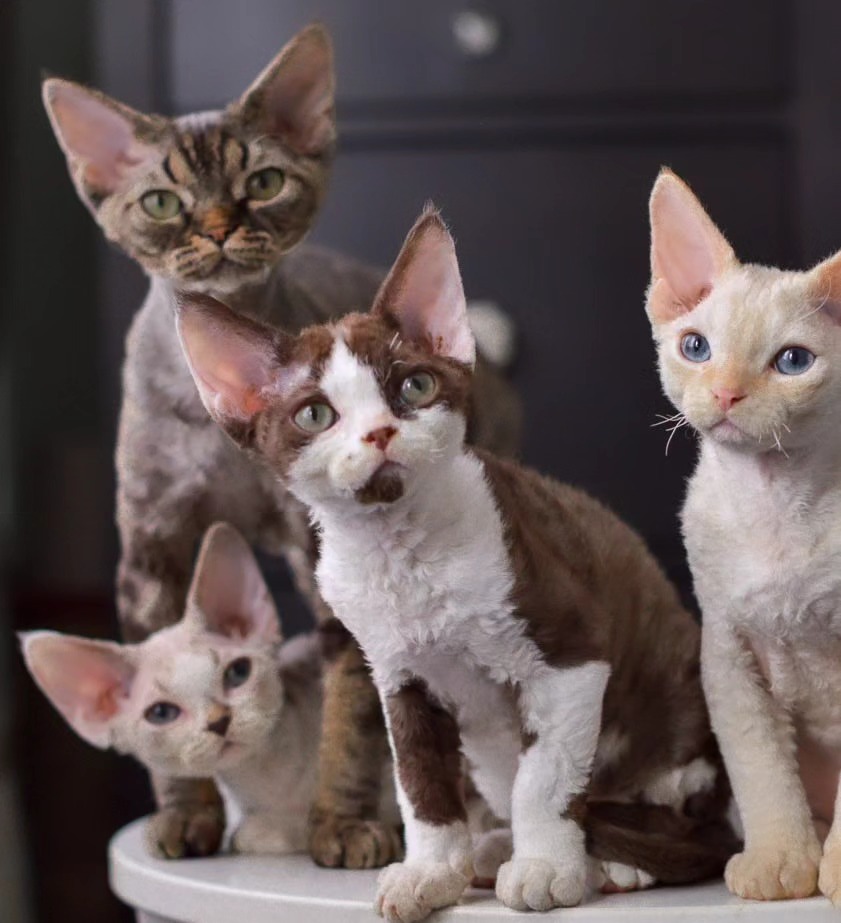
A confident adult cat is not born confident — it is made, mostly in the first few months of life. A kitten that has met different people, heard ordinary household sounds, been handled gently and met other animals calmly learns that the world is safe. A kitten that has met almost nothing learns the opposite, and spends its adult life hiding from visitors, panicking at the vet and treating every new sound as a threat. Socialisation is the work of teaching a kitten, in small, pleasant steps, that new things are fine. It is the most useful thing you can do in the first months at home, and it costs nothing but patience.
The sensitive window — and why coming home at 8–12 weeks is not too late
Kittens have a sensitive period for socialisation, roughly from 2 to 7 weeks of age, when their brains are especially ready to learn what is normal and safe. During this window, gentle handling and new experiences leave a lasting impression: kittens handled by several different people before seven weeks tend to be more sociable with strangers as adults, and kittens handled for a total of 30–60 minutes a day, in multiple short sessions, are more confident about approaching people and staying in close contact with them.
Most kittens come home at 8–12 weeks, after the earliest part of that window has passed. That is not too late — it is normal, and responsible breeders keep kittens with their mother until at least eight weeks for good reason — but it does mean the work continues with you. Kittens keep learning throughout their first months; after the window, lessons simply take longer to stick and need more repetition. So if your kitten arrived shy, do not assume that is its fixed character. It is a starting point, and steady, gentle exposure over the next few weeks can still change it a great deal.
One rule governs all of it: every new experience should be small, short and end well. A kitten that is flooded — held down, pushed towards a barking dog, or kept in a scary situation until it stops reacting — does not learn that the thing is safe. It learns that it cannot escape, and that people cannot be trusted to listen. Let the kitten set the pace, pair every new experience with something good, and stop before the kitten becomes overwhelmed.
Start with a safe base, then widen the world
Socialisation does not start with visitors and hoovers. It starts with a kitten that feels safe. For the first few days, keep the kitten in one room — its base room — with its bed, food, water, litter tray, a hiding place and toys. A whole house is overwhelming to a small animal; one room is learnable. The kitten lives there until it is eating, using the tray and playing confidently, and only then explores the rest of the house gradually, one room at a time.
Once the base room is home, widen the world slowly. Open a new door, let the kitten explore a hallway, then a second room. Each new space should have something good in it — a treat, a toy, a quiet lap — so exploring is rewarded. If the kitten retreats to its base room, let it. Retreating is not failure; it is the kitten using the safe place you gave it, which is exactly what it is for. Never pull a kitten out of a hiding place, and never wake a sleeping kitten for a handling session.
Handling: the daily practice that matters most
Handling is the single most useful socialisation practice, because almost everything a vet or an owner will ever need to do to a cat involves being touched: looking in ears, opening the mouth, touching paws and trimming claws, being lifted, being brushed, going into a carrier.
Start by letting the kitten come to you. Sit on the floor, offer a hand or a wand toy, and let it sniff before you try to touch it. When it is comfortable, begin short handling sessions — one or two minutes at a time, a few times a day. Touch the head, cheeks, paws and body gently, lift the kitten briefly, hold it for a moment, then put it down and offer a treat or a game. Pair handling with food or play: a tiny bit of wet food while you gently touch a paw, or a wand toy straight after a short brushing session, teaches the kitten that hands predict good things.
Practise the vet-style touches little and often: look in an ear, lift a lip, touch each paw, hold the kitten against your chest for a few seconds, set it in the carrier and give it a treat there. Keep every session very short and stop while it is still going well — ending on a good note is what the kitten remembers. If the kitten squirms, hisses or freezes, you have gone too far or too fast: put it down calmly, give it space, and try again later with a smaller step.
Meeting people: several, not just one
A kitten that only ever meets one person learns to be friendly with that person and wary of everyone else. Meeting several different people matters: research has found that kittens handled by four or five different handlers — men and women, adults and children — before seven weeks of age are more sociable with strangers as adults and more inclined to start social interaction with them.
Invite visitors one at a time at first, and brief them: sit on the floor, let the kitten approach, offer a treat or a toy, do not reach over the kitten’s head or pick it up straight away. Children need the same briefing, in simpler words: quiet voices, slow movements, gentle hands, and never chase the kitten. A child who sits still and lets the kitten climb onto them will be rewarded far sooner than one who follows it around the room. If the kitten hides when a visitor arrives, do not drag it out — let the visitor drop a treat near the hiding place and wait. Curiosity, given time, usually wins.
Sounds, objects and everyday life
A home is full of things a kitten has never met: the vacuum cleaner, the washing machine, the doorbell, the television, a hairdryer, rain on a window. Introduce them at low intensity first. Play a recording of household sounds quietly while the kitten eats or plays, and increase the volume gradually over days. Run the vacuum in another room while someone plays with the kitten, then in the same room at a distance, then closer — always with an escape route open and a treat or a game to pair it with.
Do the same with objects: the carrier, the brush, the nail clippers, an umbrella, a shopping bag. Put the carrier out in the room with a blanket and treats inside it for days before it is ever needed, so it becomes furniture, not a trap. Let the kitten sniff the brush, then one stroke, then a treat. A kitten that has met these things calmly at home will not meet them for the first time on a stressful vet trip.
Other animals: slow introductions, never forced meetings
If there is another cat or a dog in the home, introductions are a separate, slower process — see our guide to introducing a new kitten to children and other pets for the full method. The short version: keep the animals apart at first, swap scents on a blanket, feed on opposite sides of a closed door, then let them see each other through a barrier before any face-to-face meeting. Never hold the kitten up to a dog’s face, and never let a dog chase it, even playfully. A kitten that is chased once may spend months afraid of the dog. Give the kitten high places and a room the dog cannot enter, so it always has somewhere safe to go.
Even in a home with no other pets, it helps a kitten to meet a calm, friendly cat or dog briefly and positively in its first months — a neighbour’s steady older cat, a friend’s gentle dog on a lead — because the lesson “other animals are not a threat” is far easier to learn young than old.
The vet, the car and the carrier
The vet is where socialisation pays off most visibly. A kitten that has been handled at home, ridden in a carrier, and met strangers calmly will still dislike the vet — most cats do — but it will recover faster and be easier to examine. Practise short car rides that end somewhere pleasant, not only at the clinic. Carry the kitten in the carrier around the house, set it down, give a treat, and bring it back. At the clinic, keep the carrier covered with a blanket, speak softly, and let the vet approach the kitten rather than pulling it out by force. Tell the vet if your kitten is nervous — a good clinic will slow down, use treats, and examine the kitten in its carrier where possible.
Signs it is working — and signs to slow down
Progress looks like this: the kitten approaches visitors instead of hiding, recovers quickly after a startle, explores a new room within minutes rather than hours, and lets you touch its paws and ears without freezing. It plays, eats and sleeps normally after new experiences, and it seeks you out rather than only tolerating you.
Slow down if the kitten hides for hours after a new experience, stops eating or playing, hisses or swats when approached, or starts avoiding a room or a person it previously accepted. Those are signs the step was too big, not that the kitten is difficult. Go back to the last step that went well, repeat it until it is easy, and only then try the next one — smaller, shorter, and with a better treat. If fear persists for weeks despite gentle work, or the kitten becomes aggressive rather than simply shy, talk to your vet: some kittens need a behaviour plan, and the earlier it starts the better it works.
The simple version
In the first months, give your kitten a safe base room, handle it gently for a few minutes several times a day, introduce it to several different people, and let it meet household sounds, objects, other animals and the carrier in small, pleasant steps — always letting the kitten choose, always ending on a good note, and never forcing an interaction. The sensitive window is roughly 2 to 7 weeks, but a kitten that comes home at 8–12 weeks can still learn a great deal, just more slowly. A few minutes of patient socialisation a day now is what turns a nervous kitten into a cat that greets visitors, tolerates the vet, and settles calmly into family life.
If you are still preparing for your kitten’s arrival, our kitten FAQ covers the first-week routine, and our adoption process explains how a kitten comes home — so the socialisation has a calm home to land in.